
There’s a moment a lot of us know. Holding someone you love, watching a season change, or sitting still at the end of a long day, and this thought floats up: life is but a dream meaning something more fragile than it looks. It’s not a new thought, not even close.
People have whispered some version of it for centuries, in nursery rhymes, scripture, grief, and wonder. So what does the phrase actually mean, and where did it come from? This article walks through the spiritual, biblical, and psychological answers, one at a time.
Quick Answer
Life is but a dream meaning: existence is temporary, fluid, and shaped by perception, much like a dream fades upon waking. The phrase traces back to the nursery rhyme “Row, Row, Row Your Boat” and to Lewis Carroll’s 1871 poem on the same theme. Spiritually, it points to impermanence. Psychologically, it can reflect healthy introspection or, less often, a dissociative experience called derealization.
What Does Life Is But a Dream Really Mean?
At its core, life is but a dream meaning refers to the idea that existence is impermanent, shaped by perception, and constantly shifting, not that it is fake or without value.
Hear “life is a dream” out of context and it’s easy to assume the worst, that nothing matters, that none of it counts. That’s a misreading, and honestly a pretty understandable one. Dreams feel completely real while we’re stuck inside them. Life does the same thing. It feels solid, permanent, unchangeable, right up until the moment it isn’t.
A few things sit underneath this idea, and they’re worth naming plainly:
- Time and experience are fleeting, even when they feel endless in the moment
- Perception shapes how solid or unstable reality seems
- Impermanence does not equal meaninglessness
- The phrase invites presence, not detachment from life
Keep that distinction in mind as you read on, because it’s the thread running through everything else here. Scripture, spiritual traditions, and psychology all circle this same idea, but they don’t land in the same place.
Where Did This Phrase Come From?
The phrase most likely traces back to the nursery rhyme “Row, Row, Row Your Boat,” first published in the mid 1800s, and echoes again in Lewis Carroll’s 1871 poem written as the closing verse of Through the Looking Glass.
Most of us know the rhyme by heart without ever really thinking about it: Row, row, row your boat, Gently down the stream, Merrily, merrily, merrily, merrily, Life is but a dream.

It reads like a children’s song because that’s exactly what it is. But that last line outgrew the rest of the rhyme a long time ago. You’ll find it quoted in grief reflections, in spiritual essays, in eulogies even, stretched way past the nursery it started in.
Is This a Bible Verse?
No, it is not a direct Bible quote, but it closely echoes several verses about how brief life is. James 4:14 describes life as “a vapor that appears for a little time, and then vanishes away.” Psalm 39:5 says a person’s life “is but a breath.” Ecclesiastes opens with that famous, slightly haunting line about how fleeting everything under the sun really is.
Did Lewis Carroll Write This Poem?
Yes, Carroll’s poem, published in 1871 as the closing verse of Through the Looking Glass, and What Alice Found There, ends with the line “Life, what is it but a dream?” as a tribute to Alice Liddell, the real child who inspired the Alice stories. Here’s the part most people miss, though: the poem is an acrostic. Read down the first letter of each line and it spells “Alice Pleasance Liddell.” What looks like a wistful little verse is actually a coded love letter to friendship and memory, hiding in plain sight.
The Spiritual Meaning of Life Is But a Dream
Spiritually, the life is but a dream meaning centers on awakening, the idea that the physical world is a temporary experience for the soul rather than the final or only reality.
Most spiritual frameworks don’t treat dreams as nonsense to begin with. They’re symbolic, layered, worth paying attention to. So if life itself is dreamlike, that flips the script a little. Ordinary struggles stop looking like permanent verdicts and start looking like part of a longer, unfolding lesson.
Here’s where that shows up in real life, not in theory:
- After a period of grief, when someone feels oddly calm, almost like they’re watching their own life from just outside it.
- During deep meditation or prayer, when the line between self and surroundings gets soft for a second.
- In the middle of a big transition, a move, a divorce, a career change, when the old version of you suddenly feels like a costume rather than a fact.
- After a health scare or a near miss, when priorities rearrange themselves overnight and money and status just stop mattering as much.
Different situations, same quiet realization underneath: life, like a dream, is a lot less fixed than it usually feels.
What the Bible Says About Life Being Brief
In a biblical context, the life is but a dream meaning reflects scripture’s repeated teaching that earthly life is brief and should point believers toward eternal, not material, priorities.
Scripture keeps returning to this idea, just dressed in different imagery each time:
| Scripture Reference | Image Used | Core Message |
| James 4:14 | A vapor | Life appears briefly, then vanishes |
| Psalm 39:5 | A breath | Human life is short compared to eternity |
| Ecclesiastes 1:2 | Vanity of vanities | Earthly pursuits alone do not satisfy |
| Psalm 90:9 10 | Years pass like a sigh | Time moves quickly and should be used wisely |
None of that is meant to sound bleak, despite how it reads on paper. The message underneath is closer to perspective than despair. Because life is short, faith and humility and love end up mattering more than whatever you’re stacking up along the way. Plenty of believers say the opposite of what you’d expect happens, that realizing how short life is pulls them toward prayer and reflection instead of fear.
The Psychological Meaning of Feeling Like Life Is a Dream
Psychologically, feeling that life resembles a dream can be a normal moment of reflective mindfulness, or in more persistent cases, a symptom called derealization that may benefit from professional support.
Carl Jung spent a lot of his career on the overlap between waking consciousness and the unconscious, arguing that dreams and waking life draw from the same deep well of the psyche. Freud saw it differently, leaning toward dreams as coded wish fulfillment, but both of them agreed on one thing: dream logic and waking logic aren’t as separate as most of us assume. That overlap is probably part of why this phrase keeps resurfacing across so many cultures. It’s naming something the psyche already half knows.
What Is Derealization and How Is It Different From Spiritual Reflection?
Derealization is a dissociative experience where the surrounding world feels foggy, distant, or unreal, and it is often linked to stress, anxiety, panic, or trauma rather than spiritual insight.
The difference usually comes down to how it feels and how long it sticks around:
- Healthy reflection tends to feel peaceful, brief, and clarifying, often followed by gratitude or calm.
- Derealization tends to feel distressing, persistent, and disorienting, sometimes paired with anxiety or a racing heart.
If that foggy, unreal feeling hangs around for days or weeks and starts causing real distress, that’s worth mentioning to a doctor or therapist rather than filing it under philosophy. Nothing here is a diagnosis, just context, and a licensed professional is the right person to sort out what’s actually going on.
How Different Cultures and Religions Interpret This Idea
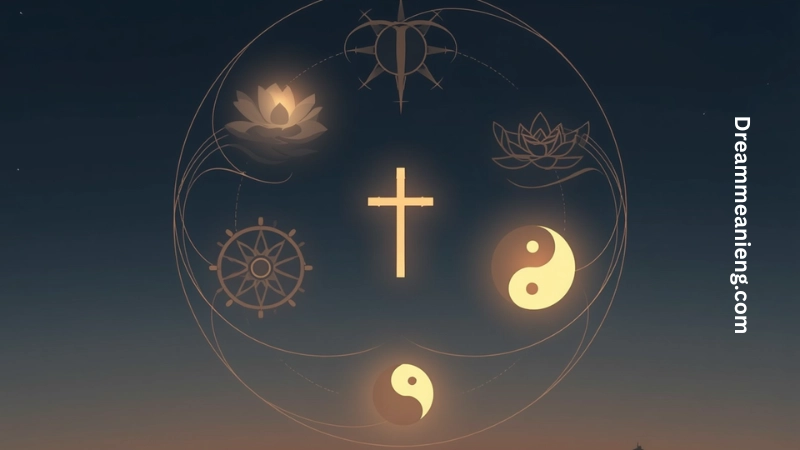
Several major spiritual traditions, from Hinduism to Buddhism to ancient Greek philosophy, arrive at the idea that life is dreamlike or illusory, though each explains it differently and each reaches that conclusion through its own reasoning.
| Tradition | Key Term or Reference | Core Teaching |
| Hinduism (Vedanta) | Maya | The material world is a veil over ultimate reality |
| Buddhism | Emptiness (Sunyata) | Nothing has fixed, independent existence; clinging causes suffering |
| Taoism | Chuang Tzu’s Butterfly Dream | Dream and waking identity may be impossible to fully separate |
| Christianity | Vapor, breath, shadow | Earthly life is brief; eternal life is the deeper focus |
| Ancient Greece | Plato’s Allegory of the Cave | Ordinary experience is a shadow of a higher, truer reality |
What’s worth noticing here isn’t just that these traditions overlap, it’s how often they land in a similar place using completely different vocabulary and completely different starting points. Whether that’s coincidence or something deeper is a fair question, and not one this article is going to settle. But it’s part of why life is but a dream meaning keeps showing up again in every generation, in slightly new clothes each time.
Common Moments When This Feeling Shows Up
People most often reach for this phrase during major life transitions, grief, sudden clarity, or an unexpected wave of beauty, and each moment tends to carry a slightly different meaning underneath it.
| Moment | Likely Interpretation | Suggested Response |
| A season or decade suddenly feels like it vanished | Growing awareness of impermanence | A short weekly reflection on what actually mattered that week |
| Everything feels distant or unreal after a big change | The mind adjusting to a new identity or reality | Simple grounding, naming five things you can see, hear, and touch |
| A song, photo, or memory catches you off guard and brings tears | A moment of unexpected emotional presence, not weakness | Let it land instead of brushing it off or explaining it away |
| Quiet numbness settles in after losing someone | Grief processing impermanence in real time | Letting the feeling exist without rushing to fix it |
| A rare stretch of clarity or peace during a hard season | A genuine spiritual insight, not avoidance | Writing the insight down before the clarity fades |
These aren’t interchangeable, even though they can look similar from the outside. Each one is pointing at a different emotional need, so the right response really does depend on which one you’re actually standing in.
The Upside and Downside of This Realization
This realization can be freeing or destabilizing depending on how it is understood, so it helps to recognize both sides before leaning too far in either direction.
Where It Tends to Help
- Less fear around mistakes, since setbacks stop feeling permanent
- A sharper sense of gratitude, because ordinary moments start to feel worth noticing
- Room to grieve and heal, since pain is easier to carry when it isn’t seen as forever
- More patience with other people, because their flaws feel smaller against a bigger picture
- A return of curiosity or playfulness, the same kind that shows up when nothing feels fixed in stone
Where It Can Backfire
- Pulling away from people, using “none of it is real anyway” as an excuse to disengage
- Losing motivation, treating responsibilities as pointless instead of meaningful
- Spiritual bypassing, reaching for the idea to avoid actually feeling something hard
- Existential spiraling, letting the thought turn into fear instead of settling into perspective
- Using it to dodge accountability, quietly excusing broken promises or avoided responsibilities as “it doesn’t matter anyway”
The healthiest version of this insight doesn’t pick a side. It holds both truths at once, life is fleeting, and life still deserves your full presence while you’re in it.
How to Respond When You Feel Like Life Is Just a Dream
The healthiest response is to stay grounded in the present moment while letting the insight soften fear, rather than using it to disengage from life.
A few things actually help, beyond just sitting with the feeling:
- Name three real, physical details around you right now, a sound, a texture, a temperature, anything to anchor back into the present.
- Write one sentence about what felt meaningful this week. Even something small counts, and it pushes back against the pull toward detachment.
- Set a two minute timer and just breathe. Don’t try to analyze the feeling. Let it pass on its own.
- If the feeling sticks around for weeks, or feels more frightening than peaceful, talk to a therapist or doctor instead of trying to think your way out of it alone.
Small, concrete anchors work better than vague advice to “just pray and reflect.” They give the feeling somewhere to actually go.
Frequently Asked Questions
What does it mean when someone says life is but a dream? It means existence feels temporary and shaped by perception, much like a dream that fades on waking. It’s usually meant as a reminder to hold life gently and stay present, not as a claim that life has no value or that nothing you do actually matters.
Is life is but a dream a Bible verse? No, it is not a direct quote from scripture, but it closely echoes verses like James 4:14 and Psalm 39:5, which compare human life to a vapor or a breath that passes quickly. The theme also runs through Ecclesiastes and Psalm 90.
Who wrote that life is but a dream? The line first appears in the nursery rhyme “Row, Row, Row Your Boat” from the mid 1800s. Lewis Carroll later closed his 1871 poem, written for Through the Looking Glass, with the same phrase, as a tribute to Alice Liddell, the child who inspired his Alice stories.
What does Buddhism say about life being an illusion? Buddhism teaches that phenomena lack a fixed, independent existence, a concept called emptiness or sunyata. This isn’t meant to sound bleak, it’s meant to loosen the grip of clinging, since clinging to things as permanent is described as the true root of suffering.
Is it normal to feel like life isn’t real? Yes, brief moments of this feeling are common and often reflective or spiritual, especially during grief or major change. If the feeling is persistent, distressing, or paired with anxiety, it may be derealization, and it’s worth mentioning to a doctor or therapist.
What is the psychological term for feeling life is a dream? The clinical term is derealization, a dissociative experience where surroundings feel foggy, distant, or unreal, sometimes alongside a racing heart or panic. It’s often linked to stress, anxiety, or trauma, and differs from the calm, brief clarity people describe during spiritual reflection.
Does life is but a dream mean life has no meaning? No, most spiritual and religious traditions use this idea to increase meaning, not erase it. It’s typically meant to encourage gratitude, presence, and a focus on relationships and values, rather than material permanence, status, or things that were never going to last anyway.
What movies or songs reference the idea that life is a dream? Beyond the original nursery rhyme, the theme appears in films like Inception and The Matrix, and in Edgar Allan Poe’s poem “A Dream Within a Dream.” All of them explore the same blurred line, that what feels solid and certain might not be as fixed as it seems.
Final Thoughts
Life is but a dream meaning isn’t really about doubting what’s real. It’s about holding reality with a slightly looser grip. Scripture, spiritual traditions, and psychology all keep circling back to the same quiet truth: nothing stays exactly as it is, and that’s not a tragedy so much as an invitation.
Maybe the feeling shows up during grief. Maybe it’s gratitude, or just a quiet evening like the one at the start of this piece. Either way, it’s usually asking for the same thing. Not your fear. Just your presence. Let the dream be gentle, and let it wake you up to the life you’re actually living.

Ayaan Shah is the founder of this website and a passionate dream analyst. He specializes in symbolic and psychological interpretations of dreams. With years of research in human behavior and subconscious mind, he aims to make dream meanings simple, clear, and accessible for everyone.


