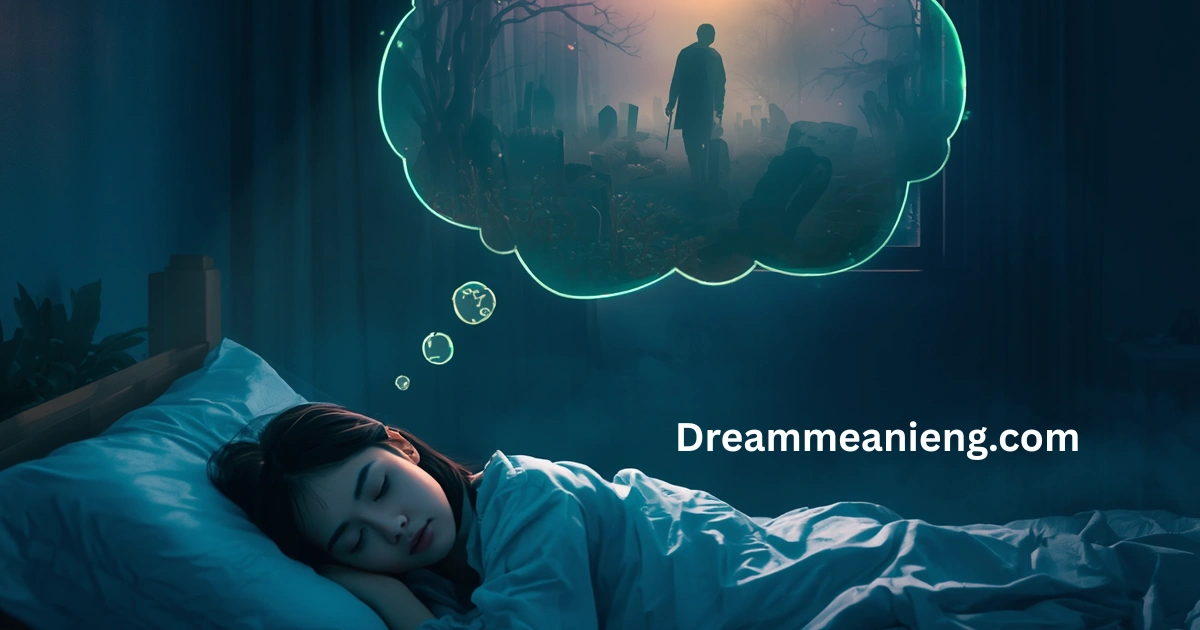
Waking up with your heart pounding after a zombie dream is more common than you’d think, especially during stressful stretches of life. The zombie dream meaning usually centers on feelings of powerlessness, emotional numbness, or a fear of losing control in your waking life.
The exact interpretation shifts depending on whether you were running, fighting, or turning into one yourself. This guide breaks down every major zombie dream scenario, what psychology and different cultures say about them, and when a recurring one might be worth paying closer attention to.
Quick Answer: Dreaming about zombies typically reflects feelings of powerlessness, burnout, or disconnection from your emotions. The mindless, relentless nature of zombies mirrors situations in waking life that feel inescapable or draining. Being chased suggests avoidance of a problem; turning into one suggests emotional numbness; fighting or killing zombies often signals resilience and a desire to regain control.
What Does It Mean to Dream About Zombies?
At its core, the zombie dream meaning comes down to powerlessness, mindless conformity, or emotional exhaustion. The zombie acts as a stand-in for anything in your life that feels relentless, draining, or outside your control.
Sit with the image for a second. A zombie is a body without a mind. It moves, but it doesn’t choose anything. It wants something, sure, but it can’t tell you why. So when that shows up in your dream, your subconscious is usually pointing at something in your life that feels the same way a job you’re sleepwalking through, a relationship that’s technically alive but not really living, a habit you can’t shake even though you already know it’s not doing you any favors.
There’s actual science behind this, not just vibes. Sleep researchers who study nightmare content often point to threat simulation theory. Basically, the brain uses scary dream scenarios as a low-stakes rehearsal space, letting you “practice” facing danger while you’re safely tucked in bed. Zombie dreams fit the model almost too well. They nearly always involve a threat that’s slow and spreading rather than sudden, which is exactly how most real stress actually builds.
A few things tend to show up alongside zombie dreams:
- A recent period of high stress, burnout, or overwhelm
- A situation where you feel like you’re “going through the motions”
- Exposure to horror media (movies, shows, games) shortly before bed
- A relationship or commitment that feels one-sided or draining
None of this means something is wrong with you. It usually just means your subconscious is doing its job sorting through something you haven’t fully worked out yet.
Common Zombie Dream Scenarios and What They Mean
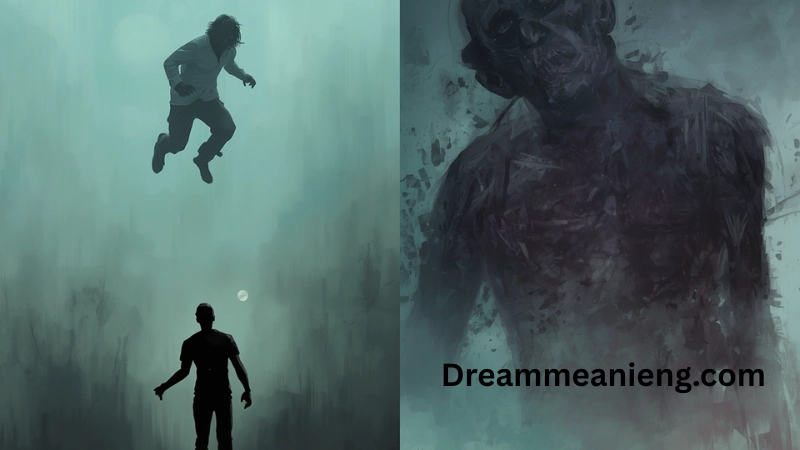
Zombie dreams tend to fall into a handful of recurring scenarios, each carrying a distinct psychological meaning from being chased to fighting back to watching someone you love become one.
Here’s the thing people underestimate: the details matter a lot more than “I dreamed about zombies” suggests. Two people can describe basically the same dream and mean completely different things emotionally, depending on whether they were running, hiding, fighting, or transforming. So let’s get specific.
What Does It Mean When Zombies Are Chasing You?
Being chased by zombies almost always points to avoiding something in your waking life that you know you need to deal with, but keep putting off.
You know the feeling already, probably. A mounting pile of unpaid bills. An overdue conversation with a partner. A work deadline you keep quietly pushing back another week. The zombies aren’t really the problem, they’re the feeling of the problem, relentless and closing in no matter how fast you run.
One common version of this dream: running through a childhood home as zombies break through the windows one by one, room by room, with nowhere left to retreat to. People who report this variation are often in the middle of a move, a breakup, or some other change that’s stripping away their sense of safety faster than they can adjust to it.
What happens at the end of the chase adds another layer:
- Escaping the horde often reflects that you’re managing your stress reasonably well, even if it doesn’t feel that way at the moment.
- Being caught or cornered tends to mirror a waking-life situation where you genuinely feel out of options.
- Hiding rather than running can point to avoidance, specifically dealing with a hard emotion by shutting it out instead of confronting it.
What Does It Mean to Dream About Turning Into a Zombie?
Dreaming that you’re turning into a zombie usually reflects emotional numbness, burnout, or a fear that you’re losing your sense of self.
This one lands differently than being chased. It’s less about an outside threat and more about something eroding from within the slow sense that you’re losing touch with your own personality, opinions, energy. People in the thick of burnout, stuck in a monotonous routine, or moving through a period of emotional shutdown report this one a lot.
A version we hear often: standing in front of a mirror watching your own reflection go grey and slack, still fully aware of what’s happening but unable to stop it. That specific detail watching it happen rather than just discovering it’s already done tends to show up when someone feels like they’re losing themselves gradually, not all at once.
Pay attention to how the transformation happens in the dream:
- Fully transforming often reflects a deeper sense of disconnection like you’re on autopilot in a major part of your life.
- Partially transforming can suggest you’re aware something’s off, even if you haven’t named it yet.
- Regaining control mid-transformation is a genuinely encouraging sign. It usually means your subconscious believes you still have agency here, even if it doesn’t feel that way right now.
What Does Killing or Fighting Zombies in a Dream Mean?
Fighting or killing zombies in a dream typically signals resilience, a subconscious rehearsal of standing up to something that’s been wearing you down.
Unlike being chased, this one puts you in the driver’s seat. And psychologically, that shift actually matters: dreams where you confront the threat instead of fleeing it tend to show up when you’re getting ready to deal with a real-life stressor, whether that’s a difficult boss, a toxic friendship, or a bad habit you’re finally done tolerating.
- Successfully defeating zombies tends to reflect confidence and a sense that you’re already handling the underlying issue.
- Struggling to fight them off can point to frustration when you’re trying to address something, but it’s not resolving as quickly as you’d like.
- Running out of weapons or ammo mid fight often reflects a fear of not having enough resources, time, energy, support to finish handling whatever’s stressing you out.
What Does a Zombie Apocalypse Dream Mean?
A zombie apocalypse dream usually reflects a fear that something in your life, your stability, your routine, your sense of safety is collapsing or about to change dramatically.
These dreams love to show up during genuinely disruptive stretches of life: a layoff, a move, a breakup, a health scare. Sometimes even a good change that’s just a new baby, a new job, a big move you chose. The chaos of the apocalypse setting mirrors how out of control everything feels, even when you’re technically holding it together on paper.
- Surviving the outbreak often reflects resilience, a sense that you’ll get through the disruption even if it’s rough going.
- Feeling overwhelmed by the collapse tends to mirror a waking-life fear that you’re not equipped to handle what’s coming.
Zombie Dream Scenarios at a Glance
| Dream Scenario | Core Meaning | Emotional Signal |
| Chased and escaping | Managing stress, confronting fears gradually | Relief, empowerment |
| Chased and caught | Feeling overwhelmed by responsibilities | Anxiety, helplessness |
| Turning fully into a zombie | Emotional numbness, burnout | Detachment, fatigue |
| Regaining control after turning | Reclaiming agency | Empowerment |
| Killing zombies successfully | Overcoming fear or stress | Confidence |
| Struggling to fight them off | Difficulty confronting a challenge | Frustration |
| Surviving an apocalypse | Resilience through major life change | Determination |
| Overwhelmed during the apocalypse | Fear of losing control or stability | Panic, dread |
When Someone You Know Becomes a Zombie in Your Dream
Seeing a family member, partner, or friend turn into a zombie usually reflects a fear that you’re losing connection with them, or worry about their wellbeing and choices.
This is one of the more emotionally loaded versions of the dream and unlike most of the others, it points outward instead of inward. A few common patterns worth knowing:
- A parent becoming a zombie often reflects fear about their safety, health, or judgment especially if you’ve noticed them acting out of character or making choices that worry you.
- A partner becoming a zombie frequently shows up when a relationship feels like it’s running on habit rather than genuine connection going through the motions of togetherness without the emotional presence behind it.
- A friend becoming a zombie can point to feelings about peer pressure or watching someone conform to a crowd in a way that troubles you.
If this dream keeps circling back to one specific person, it’s worth reflecting honestly on how connected you actually feel to them right now. Not because anything’s necessarily wrong with them but because your subconscious is flagging your feelings about the relationship, and that’s worth listening to.
The Psychology Behind Zombie Dreams
Psychologically, zombie dreams are widely understood as the brain’s way of rehearsing threats and processing stress that hasn’t been fully resolved during waking hours.
This lines up with threat simulation theory, a concept associated with dream researcher Antti Revonsuo, which argues that dreaming, especially the frightening kind evolved as a way to practice responding to danger in a low-risk setting. Zombies are almost a perfect fit here: an ambiguous, spreading threat that rarely resolves in one decisive moment, much like real-world stress tends to work.
There’s also a Jungian read worth mentioning, and honestly it might be the more interesting one.
Carl Jung viewed frightening or “monstrous” dream figures as shadow material, the parts of ourselves we’ve suppressed, denied, or just haven’t gotten around to integrating yet. Under this lens, a zombie isn’t only an external threat. It can be a disowned piece of yourself: apathy, conformity, numbness you’re not quite ready to admit you’re feeling.
A few additional psychological patterns worth knowing:
- Peer pressure and conformity are common threads because zombies literally embody mindless herd behavior moving, wanting, acting without individual thought. Dreaming of zombies during a period when you feel pressured to “go along with the crowd” is a very natural symbolic match.
- Trauma and unresolved grief can also surface as zombie imagery, particularly the idea of something that “should be dead” refusing to stay buried a fitting metaphor for feelings you thought you’d already moved past.
- Physiological responses during the dream racing heart, shallow breathing, tense muscles happen because your body’s fight-or-flight system fires up even while you’re asleep. That’s part of why these dreams can feel so unsettlingly real once you wake up.
- Age patterns: younger adults and teenagers tend to report more frequent nightmares in general, which some researchers link to differences in REM sleep patterns and heightened stress sensitivity at those life stages not something specific to zombie dreams, but relevant context if this is a newer experience for you.
Zombie Dreams Across Cultures and Religions
The idea of the “zombie” itself originates in Haitian Vodou folklore, and different cultures and faiths interpret undead dream imagery through their own lens on death, spirit, and rebirth.
It’s worth knowing where the word actually comes from; it adds a layer most zombie dream guides skip entirely.
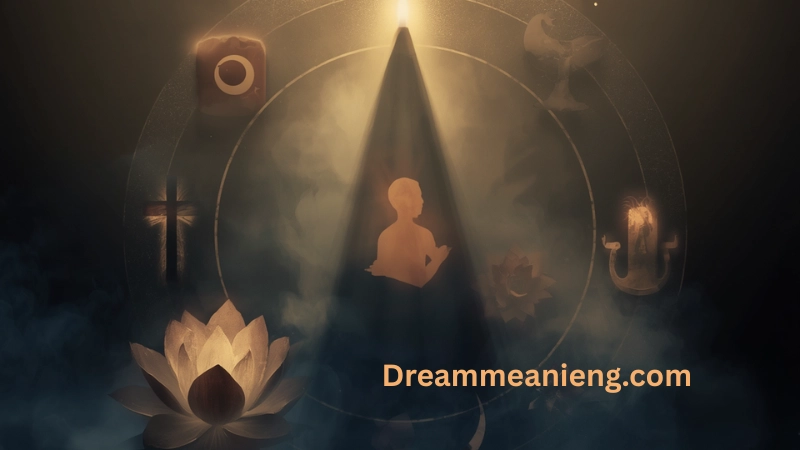
Haitian Vodou is the true origin of the word “zombie” (zonbi). In this tradition, a zombie is a person whose soul has been captured or separated from their body often through a Vodou sorcerer’s spiritual and ritual practice leaving behind a body that acts without will or self direction. That’s a far more spiritually specific concept than the Hollywood flesh eating monster version, and it’s really about the loss of autonomy and spiritual agency, not gore.
In Christianity, undead or zombie-like imagery is sometimes interpreted through the lens of spiritual death, a person going through life disconnected from faith, purpose, or moral direction. A zombie dream, in this reading, may reflect a season of spiritual dryness or distance from one’s values.
In Islam, dream imagery involving death and decay is often tied to reflection on trials, tribulations, or a warning against becoming spiritually complacent or overly consumed by material life.
In Hinduism, the concept fits naturally into ideas about samsara, the ongoing cycle of life, death, and rebirth. A zombie, caught between life and death, can symbolize being spiritually “stuck” in that cycle rather than moving toward growth or liberation.
In Ancient Egyptian belief, death was understood as a transition rather than an ending, with the soul undertaking a journey toward the afterlife. Zombie like imagery here can reflect unresolved questions about mortality, transformation, or what comes after a major life ending.
Your own cultural or spiritual background probably shapes which of these interpretations lands hardest for you and honestly, that’s fine. Go with the one that fits your worldview instead of chasing a single “correct” meaning that doesn’t exist anyway.
Positive vs Negative Interpretations of Zombie Dreams
Not all zombie dreams are ominous while many reflect stress or fear, others point to resilience, transformation, and personal growth.
Positive interpretations:
- Resilience successfully surviving or fighting in the dream can reflect real inner strength you’re not giving yourself credit for
- Transformation the “undead” imagery can symbolize a necessary shedding of old habits, identities, or relationships that no longer serve you
- Growing self-awareness the dream itself may be prompting you to notice a pattern you’ve been avoiding, which is the first step toward changing it
Negative interpretations:
- Burnout or exhaustion a recurring sign that your emotional or physical reserves are running low
- Feeling trapped a relationship, job, or situation that feels lifeless but hard to leave
- Resistance to change the zombie may represent a version of change you’re actively fighting against, even if it would ultimately help you
Honestly, the tone of the dream tells you more than the plot does. Whether you woke up feeling relieved, empowered, or genuinely shaken is often the clearest signal for which interpretation actually fits.
Do Zombie Dreams Mean Something Is Wrong With You?
Occasional zombie dreams are a completely normal part of how the brain processes stress and don’t indicate a disorder but frequent, distressing, or recurring zombie nightmares can be worth discussing with a professional.
There’s a real difference between a one-off zombie dream after a stressful week (or a late night horror movie you probably shouldn’t have watched) and a pattern that’s actually disrupting your sleep or mood. A few signs it may be worth paying closer attention to:
- The dreams wake you up regularly or make it hard to fall back asleep
- You feel anxious, low, or on edge during the day because of them
- They’re connected to a specific trauma or loss you haven’t fully processed
- They’re affecting your concentration, mood, or daily functioning
If any of that sounds familiar, a therapist, particularly one experienced in nightmare disorder or trauma focused approaches like CBT-I (cognitive behavioral therapy for insomnia) or imagery rehearsal therapy can genuinely help. In the meantime, a few simple habits go a long way toward reducing how often and how intensely these dreams hit:
- Keeping a dream journal to spot patterns and triggers
- Practicing mindfulness or relaxation techniques before bed
- Limiting horror movies, shows, or games in the hour or two before sleep
- Talking through unresolved stress with someone you trust, rather than letting it sit
Frequently Asked Questions
Why do I keep dreaming about zombies? Recurring zombie dreams usually point to an ongoing source of stress, burnout, or an unresolved situation you haven’t fully faced. Rather than a one time reaction, it’s your subconscious repeatedly flagging something that needs attention, often a relationship, workload, or emotional pattern you’ve been avoiding.
What does it mean when zombies don’t scare you in your dream? Feeling calm or unbothered by zombies in a dream can suggest you’ve already made peace with, or gained some control over, the stressor they represent. It often reflects growing emotional resilience rather than denial.
Can watching zombie movies or playing zombie games cause these dreams? Yes. Media exposure before bed is one of the most common and direct triggers for zombie dream content, since the brain often draws on recent visual input while constructing dream imagery. This doesn’t remove the dream’s emotional meaning, it just shapes the imagery used.
What’s the difference between a zombie dream and a regular nightmare? A regular nightmare can involve any generic threat, while a zombie dream specifically features a mindless, relentless pursuer which tends to symbolize avoidance, conformity, or numbness rather than a sudden, sharp danger.
What does it mean to dream about running out of weapons against zombies? This detail often reflects a fear of not having enough resources, time, energy, support, or skill to fully resolve whatever stressor the zombies represent in your waking life.
Is there a biblical meaning behind zombie dreams? In Christian interpretation, zombie-like imagery is sometimes read as a symbol of spiritual death or disconnection from faith and purpose, rather than a literal warning. It’s generally seen as a prompt for spiritual reflection rather than a bad omen.
Do zombie dreams mean I’m anxious or depressed? Not necessarily occasional zombie dreams are a normal way the brain processes everyday stress. However, if they’re frequent, distressing, or paired with daytime anxiety or low mood, it may be worth discussing with a mental health professional.
How can I stop having zombie dreams? Reducing stress, practicing mindfulness before bed, journaling about dreams, and limiting horror media in the evening can all help. If they persist or feel distressing, a therapist experienced in nightmare or trauma focused treatment can offer more targeted support.
Final Thoughts
A zombie dream meaning isn’t something to dread. It’s your subconscious doing quiet, unglamorous work while you sleep sorting through stress, change, and emotions you haven’t fully faced yet. Whether you are running, fighting, or watching someone you love slip away, the dream is usually pointing you toward something real: a need for rest, a boundary worth setting, a truth worth facing head on.
So next time zombies show up in your dreams, try greeting them with curiosity instead of dread. They’re probably not there to scare you. More likely, they’re just trying to get your attention about something your waking self has been too busy to sit with.